
Optimal Timing for Water Treatments
Water treatments are essential for maintaining water quality and ensuring safety for various uses. The timing of treatments can influence their effectiveness, cost, and impact on water systems. Proper scheduling aligns with seasonal changes, water demand fluctuations, and specific water quality issues.
Water treatment schedules often vary with seasons. For instance, treatments may be intensified during warmer months when algae growth and microbial activity increase.
Periods of high water demand, such as summer, may require more frequent treatments to maintain water quality standards.
Heavy rainfall or drought conditions can affect water quality, prompting adjustments in treatment timing to address contaminants or low water levels.
Certain treatments are required before specific regulatory deadlines to ensure water safety and compliance.
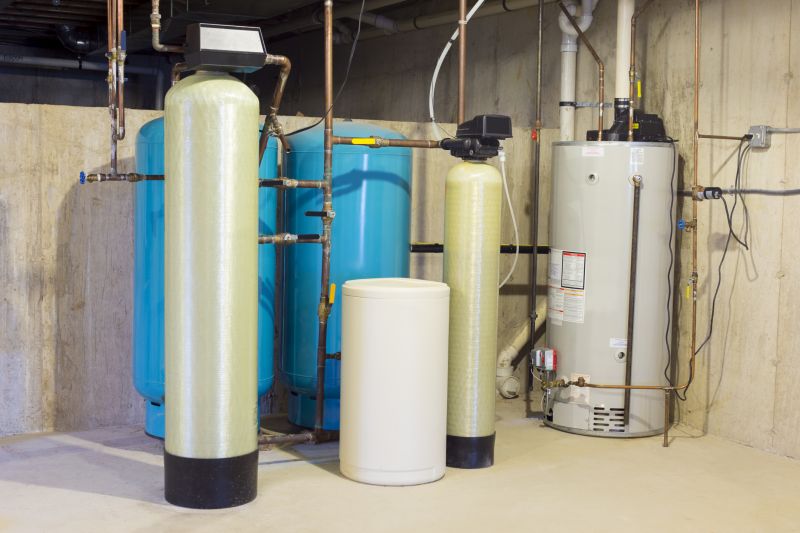
Ways to make Water Treatments work in tight or awkward layouts.
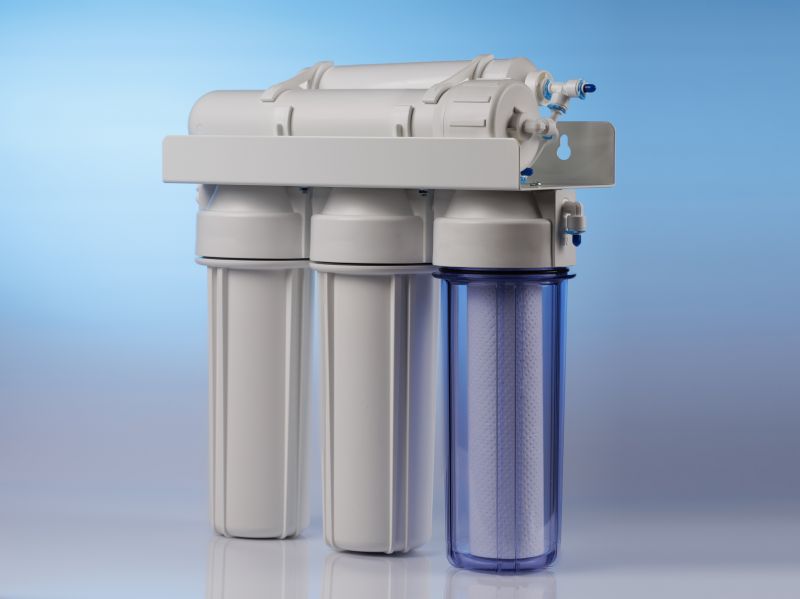
Popular materials for Water Treatments and why they hold up over time.
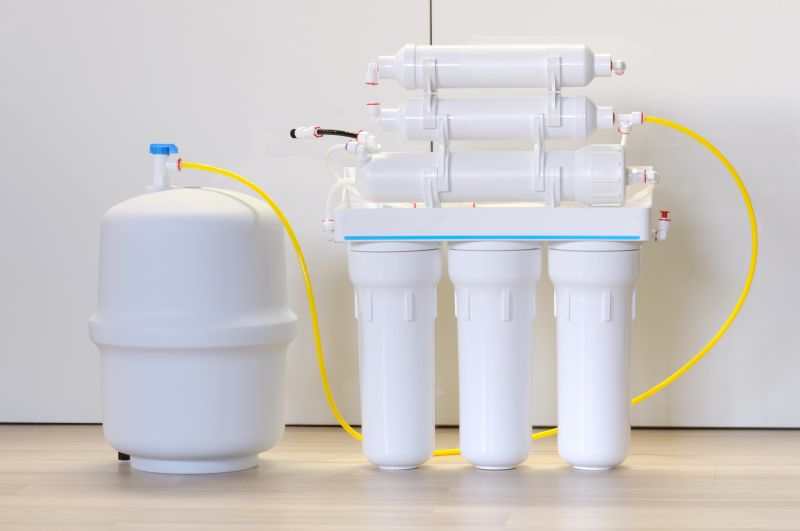
Simple add-ons that improve Water Treatments without blowing the budget.

High-end options that actually feel worth it for Water Treatments.
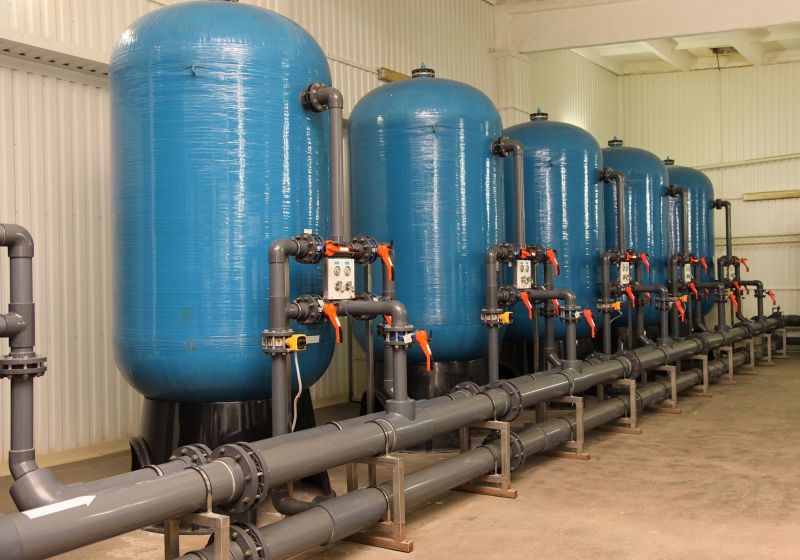
Finishes and colors that play nicely with Water Treatments.

Little measurements that prevent headaches on Water Treatments day.
Water treatments play a crucial role in ensuring safe and clean water supplies. They involve processes such as filtration, chemical disinfection, and pH adjustment to remove contaminants and pathogens. Regular treatments help prevent waterborne diseases and improve taste and odor. In Las Cruces, water treatment facilities are designed to handle fluctuations in water quality caused by seasonal changes and environmental factors.
Statistics show that proper water treatment can reduce microbial contaminants by over 99 percent and remove harmful chemicals effectively. Implementing timely treatments also extends the lifespan of distribution infrastructure and reduces long-term costs. The choice of treatment timing depends on water source conditions, usage patterns, and regulatory requirements, making it vital to monitor water quality continuously.
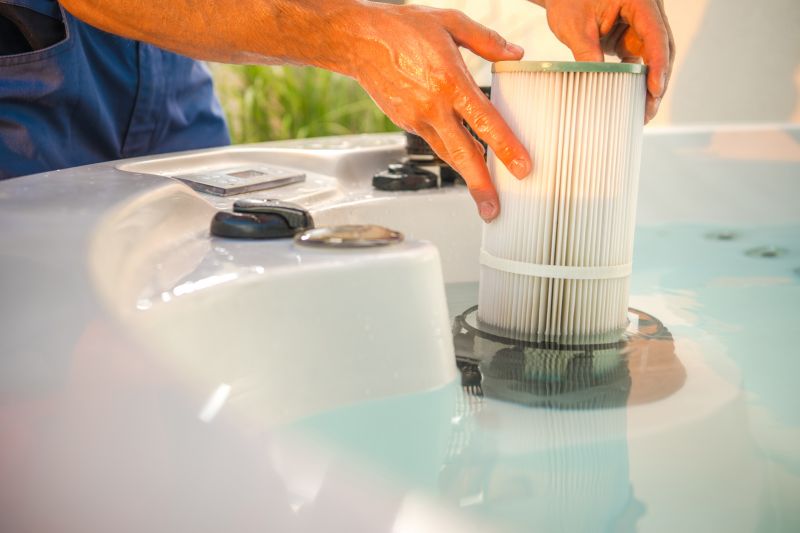
A 60-second routine that keeps Water Treatments looking new.
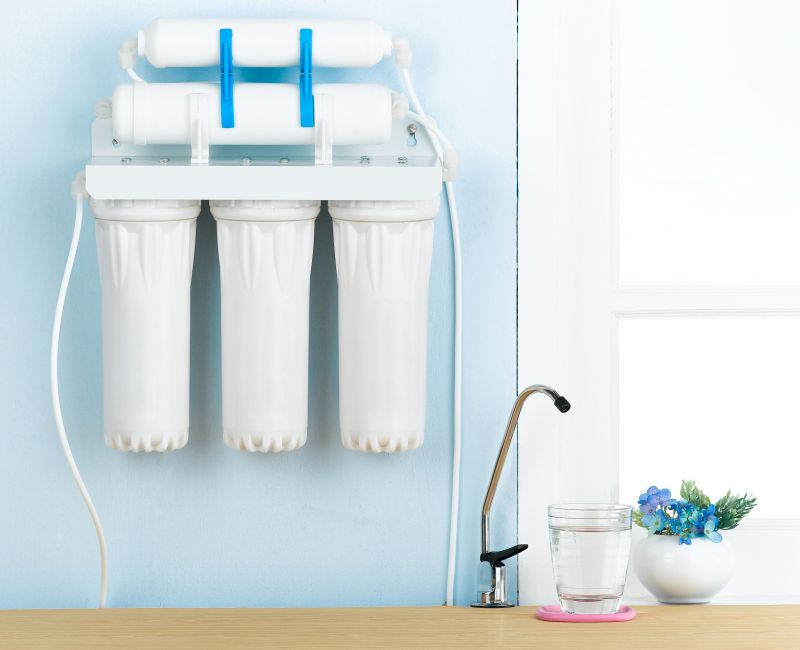
A frequent mistake in Water Treatments and how to dodge it.
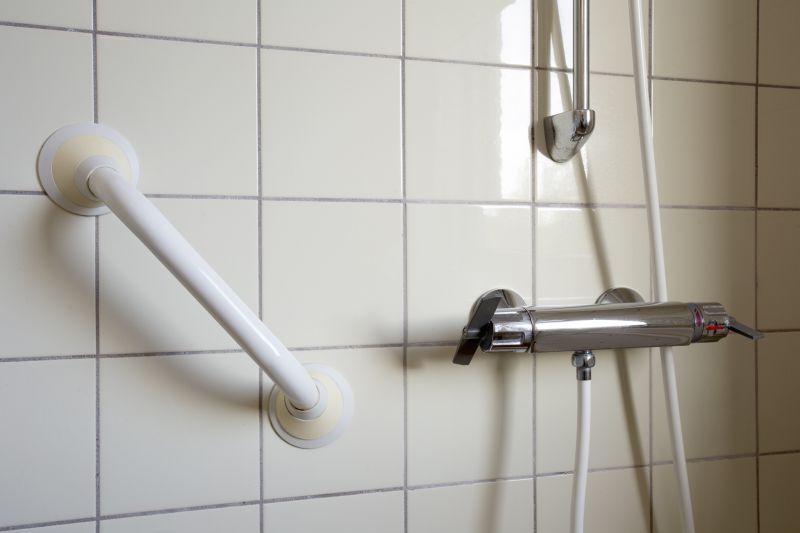
Small tweaks to make Water Treatments safer and easier to use.
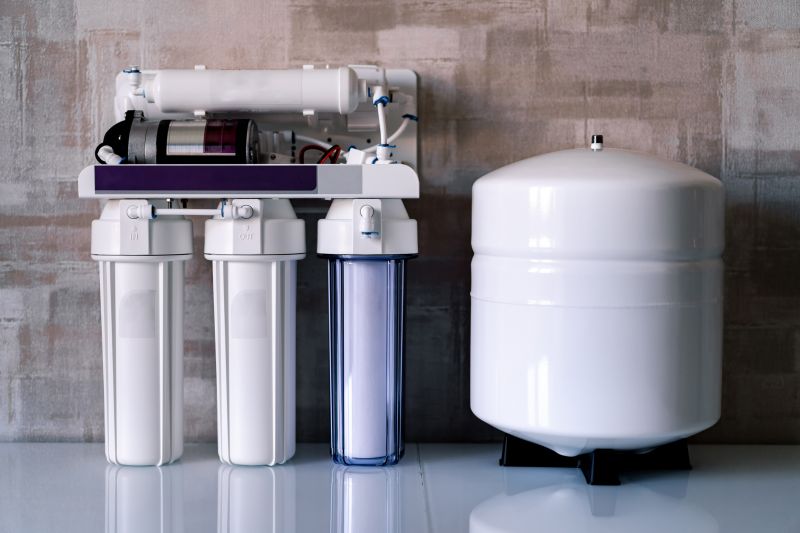
Lower-waste or water-saving choices for Water Treatments.
| Timing Aspect | Details |
|---|---|
| Seasonal Changes | Adjust treatment frequency based on temperature and microbial activity. |
| Water Demand | Increase treatment during peak usage periods. |
| Environmental Conditions | Respond to weather events like heavy rain or drought. |
| Regulatory Deadlines | Schedule treatments to meet compliance requirements. |
| Equipment Maintenance | Plan around maintenance schedules to ensure effectiveness. |
| Water Source Variability | Adapt treatments to source water quality fluctuations. |
| Public Health Needs | Prioritize treatments during outbreaks or contamination events. |
| Operational Efficiency | Optimize timing for cost and resource management. |